One of the things that I have been learning recently is about delighting in God’s gifts without excess. This is an important lesson in finding true joy and contentment in life. It is so easy to get caught up in the pursuit of material possessions and worldly pleasures, but true happiness comes from appreciating the simple blessings that God has given us. By practicing gratitude and moderation, we can experience a deeper sense of fulfillment and peace. It is a reminder to focus on what truly matters and to find joy in the beauty of each moment. discusses the virtue of temperance as a means to achieve true peace and satisfaction, contrasting it with the modern pursuit of “more.” Temperance is defined not as rigid restraint but as ordering desires to allow freedom to love God and others, aligning body, mind, and spirit with God’s plan. You may ask some ways that we can practice temperance. I have found that journal prompts can help me get the thought process going. This helps me notice where my life seems out of place, and it also can help me think about areas that I have weaknesses in. This way, I can actively work on improving my self-control and decision-making skills.
Faith and Family: Navigating Special Needs Parenting

These sources collectively address the challenges and supports for Christian families raising children with disabilities. They highlight the emotional, spiritual, and practical difficulties faced by parents, including grief, loneliness, and the demanding nature of 24/7 care. The texts emphasize the role of faith and community in building resilience, offering spiritual encouragement through scripture, and fostering supportive relationships. Furthermore, they discuss disability theology as an academic field that promotes inclusion, challenges societal stigmas, and redefines concepts of perfection and purpose within a Christian framework, advocating for practical adaptations and genuine friendships within church settings.
Sadly, on this topic of inclusion in religious settings, I have a personal experience. You see, I was a student in a teacher’s education program, so I decided I would help with the younger youth group and later the vacation Bible school. In doing this I discovered that the pastor and former teacher and current preschool director did not have autism or behavioral issues. She felt that the best way to handle these children was to yell at them. I had even seen these children be judged and treated unfairly. That is not the worst part; it was not only her but also the family members of the other pastors. Well, autism and intellectual issues run in my family, so I then got the realization that I needed to speak out against discrimination and injustice. I was given the opportunity to have a group of children that had my 2 younger family members around. The one girl suffers sensory overload and mood dysregulation as part of her autism. From me having two children with the same issues, I was able to provide support and understanding to help her navigate the challenges she faces. Because I was often leaving my group with the other leaders to help her, I got evil looks and whispers behind my back. It was hurtful to see my dedication to helping her be met with judgment and negativity. Especially from pastors, I never expected my efforts to be met with such hostility from the people I thought were my friends. Of course I brought this up to her mom, and she said sadly this is what she experiences. at the church all the time with all the special needs people. While it is commendable that you provided support to a child in need, it is important to consider the impact on the rest of the group and ensure that your attention is balanced. It is also worth addressing any concerns or misunderstandings with the other leaders directly rather than assuming their motives.
What to Consider When House Hunting With an Autistic Child
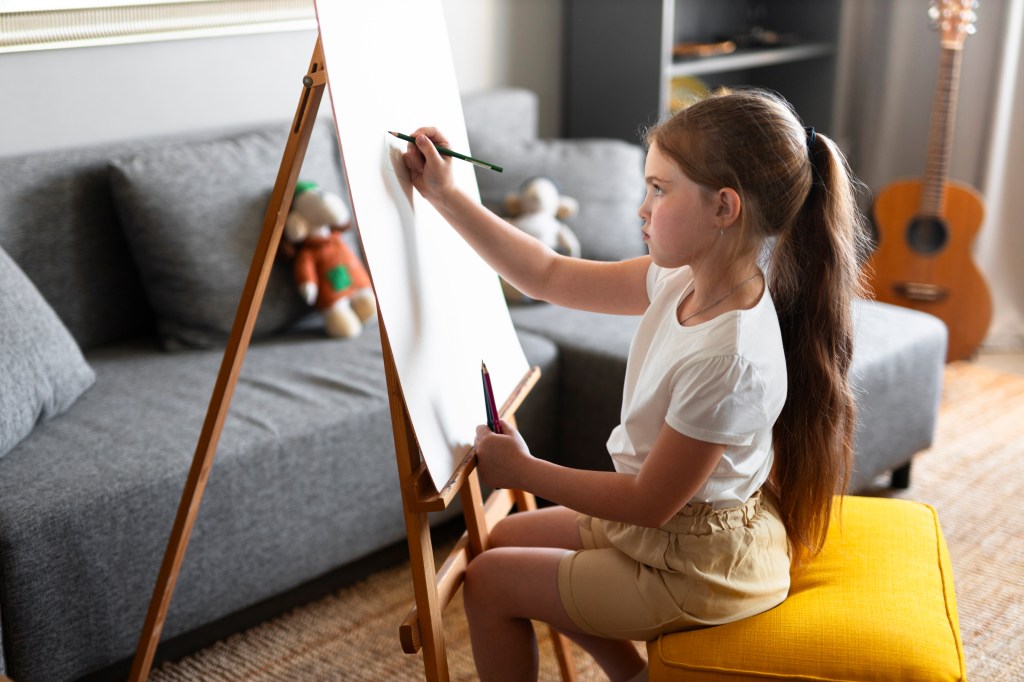
Moving is never just moving. For families with autistic children, it can be a high-stakes decision loaded with unseen variables. Every space you tour, every floor plan you scroll through—each one holds the potential to either soothe or overstimulate. You’re not just looking for square footage or curb appeal. You’re searching for a home that can absorb meltdowns without echoing them, encourage independence without risk, and give your child space to be exactly who they are.
Location and Community Fit
Where you live affects more than your commute—it reshapes your child’s daily rhythm. A strong local network can offer vital emotional and educational support. It’s worth researching whether area schools integrate sensory accommodations and whether therapists, respite providers, or advocacy groups are nearby. Neighborhood pace matters too: a quiet street with minimal traffic can offer calm predictability after overwhelming days. Don’t just think about where you want to live—consider how it will feel for your child every morning and every evening.
Layout and Sensory Flow
Open floor plans might look impressive online, but they often blur boundaries in a way that overwhelms. Defined rooms with visual structure tend to support better transitions and lower anxiety. Kids on the spectrum benefit from cues—walls that say “this is where we eat” or “this is where we rest.” If you’re considering a new build or light remodel, explore ideas for sensory-friendly home design that prioritize function over flair. Think predictable layouts, quiet materials, and enough separation between high-energy and low-sensory zones.
Preventing Disruptions to Routine
Unexpected noise or temperature changes can spark sensory distress in a child who depends on routine. A sudden loss of heat in winter or a plumbing issue midweek doesn’t just create inconvenience—it can unravel the structure that keeps your household regulated. Investing in home warranty plans that cover essential systems like heating, cooling, and plumbing can reduce the risk of these disruptions. Predictability isn’t just a preference—it’s a safeguard. Supporting it means protecting more than comfort—it means protecting peace.
Safety and Secure Features
Elopement and wandering aren’t abstract fears—they’re real and terrifying. When house hunting, look closely at door locks, fencing, and line-of-sight throughout the home. Is the yard enclosed? Can you hear the front door from the kitchen? You’re not being overly cautious—you’re planning ahead for peace of mind.
Interior Details That Support Regulation
Wall color can escalate a meltdown. Flooring can either buffer footsteps or amplify every sound. Lighting—too harsh, too cold—can tip an already overstimulated brain into shutdown. Think soft, dimmable lights, closed storage, and quiet materials like fabric or cork. A home that supports regulation doesn’t have to be sterile—it just needs to offer control and consistency.
Preparing for the Move Itself
No matter how great the new home is, change will still be hard. Visual schedules, countdown calendars, and preview visits can help reduce uncertainty. If your child uses communication devices or support aides, introduce them to new spaces through pictures or videos first. Keep a few familiar routines the same throughout the transition—bedtime rituals, morning songs, or the same breakfast setup. The home may change, but their world doesn’t have to flip all at once.
Creating Safe Retreats Within the Home
Once you’ve moved in, focus on one room: the quiet one. This space doesn’t need to be big or expensive—it just needs to feel safe. Soft textures, lower lighting, headphones nearby, favorite books or items close at hand. This room becomes the decompression chamber, the fallback when the rest of the world feels too much. In a busy house, a designated calm space is a way of saying: “Here, you don’t have to mask.”
Post-Move Clarity and Flow
Once the boxes are unpacked, what stays out matters more than what’s in storage. A cluttered home can overwhelm children with autism by introducing visual noise and unpredictability. Before adding new furniture, toys, or gadgets, ask whether there’s space—or what should be removed to make space. When you organize your home with intention, you create a visual rhythm your child can rely on. It’s not about minimalism—it’s about giving their brain a break.
Buying a home for a neurodiverse family isn’t about checking boxes. It’s about anticipating friction and designing around it before it starts. You’re not just giving your child a place to live—you’re shaping the way they experience stability, privacy, independence, and sensory peace. With the right considerations, your new home becomes more than a house. It becomes an anchor, a comfort, and—over time—a true refuge.
Discover a wealth of resources and heartfelt stories at Autism Parenting Lifestyle to support your journey as a special needs parent and find the community and guidance you need.
Expression
If we are the answers to the ways we travel, why do we have to seek comfort in our pain? Well, we have been given free will. Do you not love this fact? Not all of us have seen the light at the end of the tunnel or the big picture, but that doesn’t mean we should stop searching for it. I admit it can be difficult to find hope in the midst of darkness, but it is always worth the effort. It also can be hard to see the big picture in our lives. It’s even harder to find the needed support, especially as a special needs/autism parent. What can make this even harder is when the significant other or close family members do not understand or support the challenges faced. When you are not all on the same page with handling the emotional needs of the children. The parent that is most understanding, patient, and willing to change. The ones that are willing to try new things are also burdened with difficult health issues and emotional needs of their own.

One-Time
Monthly
Yearly
Make a one-time donation
Make a monthly donation
Make a yearly donation
Choose an amount
$5.00
$15.00
$100.00
$5.00
$15.00
$100.00
$5.00
$15.00
$100.00
Or enter a custom amount
$
Your contribution is appreciated.
Your contribution is appreciated.
Your contribution is appreciated.
DonateDonate monthlyDonate yearlyBiggest influences in Life
Who are the biggest influences in your life?
The first biggest influence in my life would have to be my mom, she was my best friend till her death when I was 7 years old. She taught me in those short years I had with her how to be a decent human, to see no differences in the people around me. She gave me my love and passion to work with special needs people. She also gave me the want to work in healthcare for many years before the pandemic started and working in a nursing home became too much. Nowadays I find myself working with all grades in my local school district. For instance, I remember the love and care she took with the people that were different in our church. She showed me that though some of the children in my church looked different or something about them, like a girl that had no eyes, looked scary, she was no different than anyone else. The girl just needed someone to show her kindness and help her get around unfamiliar places. She introduced me to children of different abilities and backgrounds, teaching me the importance of empathy and inclusivity at a young age. This experience not only shaped my career path in healthcare but also inspired me to become an advocate for inclusive education within my school district. However, it is important to note that not all individuals with disabilities or different abilities receive the same level of support and inclusivity. In some school districts, there may still be a lack of resources and accommodations for students with special needs, hindering their educational opportunities. This can lead to exclusion and limited access to quality education, contradicting the idea of inclusive education.
I also have fond memories of taking care of my grandma’s employer’s service dog. Though I do not remember being taught how to interact with other service animals, I somehow always knew that if a dog had a vest on you, let them alone. It was not until later that I learned about the importance of service animals and the role they play in assisting individuals with disabilities. Service animals are trained to perform specific tasks that help their owners navigate their daily lives. They are not pets but rather highly trained companions that provide vital support and independence. It is crucial for society to understand and respect the presence of service animals, ensuring that individuals with disabilities can fully participate and be included in all aspects of life.

Conceptulizing Autism
Autism disorder was not known until different medical practitioners made various contributions from their interaction with autistic children. The history of autism is widely stated to have begun in the 1930s, and research continued as more practitioners took an interest in the condition. According to Zeldovich (2018), the main contributors to understanding the autistic spectrum disorder are Hans Asperger and Leo Kanner, who described the condition in 1938 and 1943, respectively. However, little is known about Grunya Efimovna Sukhareva, who was the earliest medical practitioner to define the autistic spectrum in 1925 (Zeldovich, 2018). Even though there has been a lot of research on autism, Sukhareva was one of the first doctors who helped figure out what autism was and added to what we know about it today.
History of Autism
The history of autism is largely attributed to Hans Asperger and Leo Kanner because of their immense contribution to understanding the characteristics associated with the condition. For instance, the study of the condition by Leo Kanner led to the coining of the name Kanner syndrome, which is used to describe children with a profound inability to form good relationships with others. On the other hand, based on his extensive study of psychological characteristics, Hans Asperger termed autism Asperger syndrome. Even though the two scholars were very important to understanding autism, many people did not know that Grunya Efimovna Sukhareva was one of the first people to study the subject.
Sukhareva was able to learn about autism because of her vast experience as a child psychiatrist. Zeldovich (2018) argues that Sukhareva was a child psychiatrist from the Soviet Union who managed to identify the symptoms associated with autism and provided a detailed account in 1925. However, her work is barely recognized beyond Russia despite playing an important role in promoting the understanding of the condition from an early age. Zeldovich (2018) adds that the suppression of her work as a child psychiatrist was influenced by the perception that was widely spread at the time of being anti-Marxist, which was indirectly viewed as being in support of the capitalists. Through extensive involvement with children with psychological and developmental problems, Sukhareva was able to establish different characteristics used to understand autism. Consequently, the conceptualization of the conditions made it easy to expound on the knowledge by other scholars.
Contribution of Sukhareva
Sukhareva was born in the former USSR, or modern-day Russia. Zeldovich (2018) notes that Sukhareva was born in 1891 to a caring family of Chaim Faitelevich and Rakhila Iosifovna. After her graduation in 1915, she started working at the same medical institute, Kyiv Medical Institute, in the Epidemiological unit. After serving the medical institution and the country in different capacities, including being a chief child psychiatrist, Sukhareva later decided to open a school to provide educational opportunities to children with psychiatric problems. Her efforts in the field of psychiatry were acknowledged in Russia, whereby she served in different capacities. However, this success came with extensive criticism from other parties and colleagues in the USSR. She served as director of the Institute of Psychiatry in the Russian Soviet Federative Socialist Republic (RSFSR).
It is because of her strong background in dealing with children with different psychological conditions that she was able to realize the varying symptoms exhibited by children with autism. She argued that autism was contributed to by diverse factors, including toxins and trauma a position she supported based on her study on children in Germany. Through her interaction and study of the psychology of children, Sukhareva was able to establish the different developmental problems among children. Her major discovery was schizoid personality disorder, which is today termed autism. Sukhareva discovered that children with SPD struggled to form social-emotional connections with others. Although her discovery required additional study to understand all the symptoms associated with autism, her publication laid a strong foundation for understanding the problem of autism.
Contribution to Modern Research
Unlike the description provided by Sukhareva in the past, the research on ASD has taken deeper research. However, Sukhareva made a considerable contribution to modern-day research on the disorder. Firstly, Sukhareva attempted to classify autism by using schizoid personality disorder among children. She argued that the disorder affects how children interact with others and how it impacts their ability to establish sound relationships with others. Although the categorization by Sukhareva was not adequate enough to present the problem of autism, it presented a good basis for understanding the condition. Harris (2022) predicts that autism is a complicated condition that involves diverse complications, such as social and emotional inabilities. So, Sukhareva was able to come up with a good way to think about the condition because of the papers she wrote about it in the 1920s.
There are different ways in which schizoid personality disorder is similar to autism. Askham (2022) points out that both autism and schizoid personality disorder show that both children have a social and emotional deficit, which hinders their ability to relate with other people. However, to understand the difference between schizoid personality disorder and autism, the analysis of autism should go beyond the social-emotional detachment of a child to other factors such as the functioning of the five senses, delayed developmental milestones, and challenges with both verbal and non-verbal communication (Askham, 2022). Children with autism experience challenges in their everyday lives, from communicating with others and establishing good social relations. In this regard, Sukhareva provided a starting point that helps researchers to understand more about ASD in society today.
ASD patients exhibit additional symptoms, which put them in a different position compared to patients with other disorders such as schizoid personality disorder. Askham (2022) states that children with ASD exhibit health challenges like having repetitive behaviors such as body movement and banging of the head, combined with the tendency to harm their bodies. Their inability to control their reflexes puts the children at risk of constantly making certain movements that are not common among children without ASD. Unlike children with SPD, ASD is characterized by challenges such as perseverative interests, which is evidenced by their excessive passion for maintaining close attachment to an object and love for routines. While in both SPD and ASD, children experience slow development, ASD comes along with the problem of visual stimming that is characterized by gazing at items and people.
Screen time and Autism
The relationship between screen time and autism is relatively new research that understands the connection between external environmental factors and the problem of ASD. Sainani (2022) states that the research was published by JAMA pediatrics, pointing out that the risk of being diagnosed with autism is 3.5 times higher among infant boys who spend much time glued to the television. According to Kristin Sainani, the research was conducted by using a sample of 84,000 women from different parts of Japan (Harris, 2022). The women were required to fill out survey questions by explaining the number of hours that their children spent watching television. This approach was aimed at understanding the connection between the time spent and the risk of being diagnosed with autism.
From the study, women that reported that their children had more screen time also recorded a high number of children with autism by their third birthday. The research also showed that boys were at a higher risk of being diagnosed with autism compared to girls. However, as was pointed out by Sukhavera, understanding autism spectrum disorder requires extensive and continuous research. Based on this understanding, the research on the impact of watching television on autism was marred by various biases, which calls for additional research. For instance, most women that participated in the research may have failed to consider the under-reporting of screen time, and some may not want to disclose the condition of their children (Harris, 2022). Examining screen time and the problem of autism is not a conclusive approach to research because it fails to incorporate all the scientific parameters that may connect the two variables. Additionally, the study is contrary to a previous study that argued that watching television has an inadequate impact on development factors such as language and visual motor skills.
Conclusion
The conceptualization of autism was contributed by different scholars who dedicated their time to the subject. Although much is not known about Sukhavera, she made a considerable contribution to conceptualizing autism spectrum disorder in 1926 because of her strong experience of dealing with children. As a child psychiatrist, she learned about ASD, which she termed a schizoid personality disorder. Although both ASD and SPD have similar social and emotional challenges, the publication by Sukhavera laid the foundation for more study on different symptoms associated with them, such as gazing and repetitive conditions. The publication by Sukhavera pioneered modern research on ASD, such as the study on the influence of screen time on the risk of autism among infant boys. Although the research on the relationship between screen time and autism was not conclusive because of the bias, it showed the disparity in the issue of ASD and the need for further research on the topic.
Laws and thoughts
While doing my laws in education class I got to read an interesting article about a young man that was diagnosed with autism and anxiety. I was actually surprised to see that beginning at the age of six this child was being secluded for multiple hours for minor offenses. The parents even moved him to a special placement where the teachers were better equipped to work with him. This placement lasted about 3 years before he again was locked in a room and he managed to climb out a window. At this time his parents decided to home school him for a while, but when he missed his classmates too much his parents decided that they would attempt one more time. This of course did not go as planned, he was isolated at least eight more times. More than half the time the parents did not hear this from the school but their son himself. This got me thinking and researching for my knowledge and for my class, how often is this happening? Are there policies in place to stop this? What are the statistics? I had so many questions, I found out how often this is reported. According to a report from NPR, more than 33,000 cases of restraints and seclusion were used in California and Texas alone in the 2007-2008 school year. I found that evidence suggests seclusion and restraint are overly used against children with disabilities and minority children. According to a 2018 report, students with disabilities make up 71 percent of those restrained and 66 percent of those secluded, while African American students make up 27 percent of restrained students and 23 percent of those secluded, even though they make up only 12 and 15 percent of total enrollment, respectively,
Jackie Nowicki, a director at the Government Accountability Office, told National Public Radio in 2019. “Using these methods can create hazardous situations, especially for some of our nation’s most vulnerable children.” How can we prevent this you may ask well, the first step would be understanding the difference between intentional misbehavior and stress responses. If a child is out of control of their emotions or behaviors, it’s often because their nervous system is in fight or flight. At this moment, they need to know they’re not alone and that someone sees their distress. If you’ve resorted to seclusion or restraint, you’ve been missing their calls for help.”
In many cases, seclusion and restraint increase agitated behavior. And most times, it leads to feelings of hopelessness or desperation. If it does appear to decrease agitation, “it’s because the child being secluded or restrained is giving up and losing hope in their fellow human.”
If a student becomes agitated, the best action would be to shift our thinking to” is this child misbehaving, or are they stressed out?” Make sure that you are calm because you need to be capable of providing appropriate support. Then, customize your interactions to whatever will help the child’s nervous system calm down. Try an activity that engages the student’s body, like rocking with the child, putting a gentle hand on their shoulder, or swaying together to calming music. “This isn’t easy, and there isn’t a one-size-fits-all approach,” But if you experiment to see what helps their body calm down, eventually you’ll see those agitated behaviors melt away.”
(Department of Education, the office of civil rights, 2017)
Unexplainable Peace

Today, we are working on unexplainable peace, what is this you may ask, well this could be the peace that you feel in a hectic workplace or situation. Since this summer I am home all day this is the peace I still feel even though parenting a six- year old and a 10 year old is definitely interesting. Not only are these boys and brothers they love and I do mean love getting under each other’s skin. I laugh as I write this because I feel like a wrestling referee all day long. But honestly they are what keeps me going each day, they definitely do not allow depression to creep into my life. I do use mindfulness and spiritual content to continue to feel calm.
The benefits of mindfulness for parents and their children
Today I am talking about the benefits of mindfulness for parents and their children. Mindfulness has become quite popular in today’s society, with many schools now teaching mindfulness to children and teens across the world. This practice is not only helping them, but it’s also benefiting the teachers as well, who are experiencing great results from this new way of teaching kids. Now you may be wondering exactly what mindfulness is and how can you use it to benefit your life? Read on to find out more about mindfulness and how it can help improve your life too!
Is it good or bad to meditate?
There is no good or bad when it comes to meditation. It is simply a practice that can be beneficial for some people and not so much for others. For parents with children on the autism spectrum, mindfulness can be a helpful tool in managing stress and anxiety. By advocating for education needs, parents can provide their children with the best possible chance to succeed.
A short history of meditation
Meditation is a technique that has been used for centuries to help people focus and calm their minds. In recent years, meditation has become popular as a way to reduce stress and anxiety. For parents of children with autism, meditation can be an important tool for managing stress and promoting calm. Advocates for autism education believe that mindfulness can help children with autism learn to self-regulate their emotions and behaviors.
Benefits of Pranayama/Yoga
I have been an advocate of pranayama/yoga for many years now. I have seen firsthand the positive effects it can have on people’s lives. I believe that education needs to start with the basics of breathing and understanding the body-mind connection. From there, we can learn how to control our thoughts and emotions. This is especially important for parents and their children.
How to learn Pranayama/Yoga?
Parents need to be advocates for their children’s education needs. Mindfulness can help parents become more present in the moment, which can benefit both them and their children. There are many resources available on how to learn pranayama and yoga. Parents can also look into religious education programs for their children. They can also consider starting a group at their local community center or school.
This may be surprising to you like it is to me. There are some states that have laws about what types of treatment practices are allowed or not allowed in schools. One example is Massachusetts where therapists have been advocating for children who have Autism Spectrum Disorder (ASD) to get services like Applied Behavior Analysis (ABA). There is controversy on Applied Behavior Analysis because some companies do use practices that are borderline child abuse or are child abuse. Through all my research too I have found that too many companies claim to be ABA providers but are not applying the true science behind the concept. Please do your research before employing a company or allowing any one to use these techniques with your child(ren).
If anyone has anything to add on this topic or have research for or against ABA please let me know. I would love to hear all your thoughts.
Little backstory
I have two sons, both of whom have autism. The one I know is most likely caused by a little known disorder called 22q.11.2 microduplication. Wow, is that a mouthful? I know, but there is no shorter name for it. I am told this is a rare disorder, but really it is not often diagnosed. This is because not all doctors know or want to test for genetic conditions that could be causing autistic spectrum disorders. I guess I just got lucky, but really, I am lucky because he does not have any other complications or issues that go with the disorder besides intellectual and behavioral issues. He may be off balance with some hormones too, but no big deal. All this can be managed without having to go two hours away to see specialists. Microduplication 22q11.2 is a recently discovered genomic disorder. So far, targeted research on the cognitive and behavioral characteristics of individuals with this microduplication is limited. Therefore, 11 Flemish children (3–13 years old) with a microduplication of 22q 1.2 were investigated in order to describe their clinical, developmental, and behavioral characteristics. We measured their general intelligence, visual-motor capacities, attention, behavioral problems, and characteristics of autism. In addition, there was an interview with the parents on developmental history, and we reviewed available information from other specialists. The results show that the cognitive and behavioral phenotype of the children with microduplication 22q.11.2 is very broad and heterogeneous. Some of the children have nearly normal cognitive development, whereas others are more severely affected. All children have some degree of developmental delay, and some of them have an intellectual disability. The most common clinical features include congenital malformations such as heart defects and cleft lip; feeding problems; hearing impairment; and facial dysmorphism. The most common non-medical problems are learning difficulties, motor impairment, attention deficits, social problems, and behavioral problems. There is no correlation between the size of the duplication and the phenotype. I will not bore you all with the sciencey talk, but if you have questions, please ask and I will inform you.
References
Campenhout, S & Devriendt, K & Breckpot, Jeroen & Frijns, J-P & Peeters, H & Buggenhout, Griet & Esch, H & Maes, Bea & Swillen, Ann. (2012). A description of the clinical, developmental, and behavioral characteristics during childhood Genetic counseling (Geneva, Switzerland). 23. 135-48.
Come to Me

Being a parent to a special needs child can be tiring, frustrating, and utterly draining. Some days, you can feel like you just can’t do it anymore. However, it can also be fulfilling, exciting, and beautiful as you see your child grow and develop, despite their struggles. The key in all of it is realizing how much you need God and what His calling is to you in your child’s life. Let me explain.
First of all, allow me to give you some encouragement. Loving and caring for a child, special needs or not, is an amazing calling in itself! The Bible says in Psalm 127:3-5, “Behold, children are a heritage from the Lord, the fruit of the womb a reward. Like arrows in the hand of a warrior are the children of one’s youth. Blessed is the man who fills his quiver with them! He shall not be put to shame when he speaks with his enemies in the gate.”
Even though they don’t always feel like it, children are an amazing blessing that God has given to you. Cherish that blessing and appreciate that blessing always. Honor God in that blessing and He will honor you by helping you when times get hard.
See, although kids are a blessing according to Scripture, we also know that taking care of a child with special needs is not easy. Don’t worry, God is there in those moments as well.
Matthew 11:28-29 says, “Come to me, all who labor and are heavy laden, and I will give you rest. Take my yoke upon you, and learn from me, for I am gentle and lowly in heart, and you will find rest for your souls. For my yoke is easy, and my burden is light.”
This beautiful invitation from Jesus holds the key to your lifting up as a special needs parent. Despite the struggle that you face, despite the hard times and the disappointments that come, Jesus is inviting you to come to Him so that He can give you rest.
There is always rest and hope found in the Savior Jesus Christ. It doesn’t matter how hard things get or how much you feel at your breaking point, Jesus understands. He is always standing there with His arms open wide, asking you to come to Him.
No matter how hard you try, you can’t do this on your own. You can’t always rely on your own strength or on your own mental capacity to be able to be a good parent and love your child in the way that you were called. Yet Jesus calls to you to come to Him and learn from Him in the way that you should love others, especially your child.
So, next time you find yourself at a low in your parenting process, remember these verses. Remember that Jesus has called you to His rest. Go to Him, and He will give you rest.
 Life as a special mother